Where Justics Lives
Witnessing, Memory, and Solidarity for Afghan Women and Girls
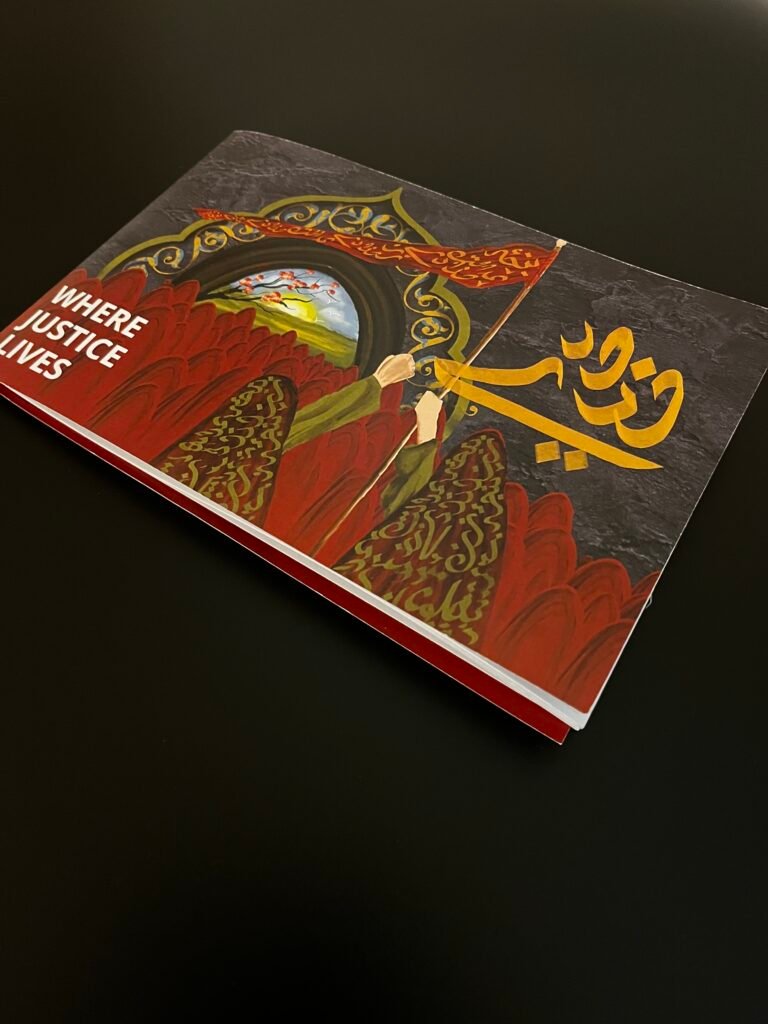
Where Justice Lives is an act of memory, defiance, and solidarity with the women and girls of Afghanistan.
It brings the record of the People’s Tribunal for the Women of Afghanistan into a public space of encounter: a place to listen, to look closely, and to remain with what has been witnessed. Since returning to power in August 2021, the Taliban have imposed an increasingly systematic regime of restrictions on women and girls. More than 150 decrees and laws now reach into nearly every part of daily life: education, work, movement, healthcare, dress, voice, and public participation. The People’s Tribunal has described these conditions as a crime against humanity—specifically, gender persecution under the Rome Statute.
What does this mean?
Gender persecution is the intentional and severe denial of fundamental rights because of a person’s gender. When girls are barred from education beyond Grade 6; when women cannot work, travel freely, access healthcare without a male guardian, or raise their voices in public—these are not isolated restrictions. They form a system of exclusion.
For Afghan women and girls, this system has shaped life for the past five years. But this is not only a story of what has been taken away. It is also a story of what remains: women who testify, protest, organize, create, document, care for one another, and refuse to disappear. Through art, images, sound, documents, research, and the words of women inside Afghanistan, Where Justice Lives carries the Tribunal’s record beyond the hearing room. It places legal evidence beside lived experience, and memory beside action.
The exhibition asks us not only to see the scale of this injustice, but to consider what it means to witness it—and what responsibility witnessing carries.
“The suffering and success of women in every corner of the world concerns us all. Solidarity knows no borders.” — An activist living Afghanistan.
Presented by: Organization for Policy Research and Development Studies (DROPS) and ConneXus Collaborative